

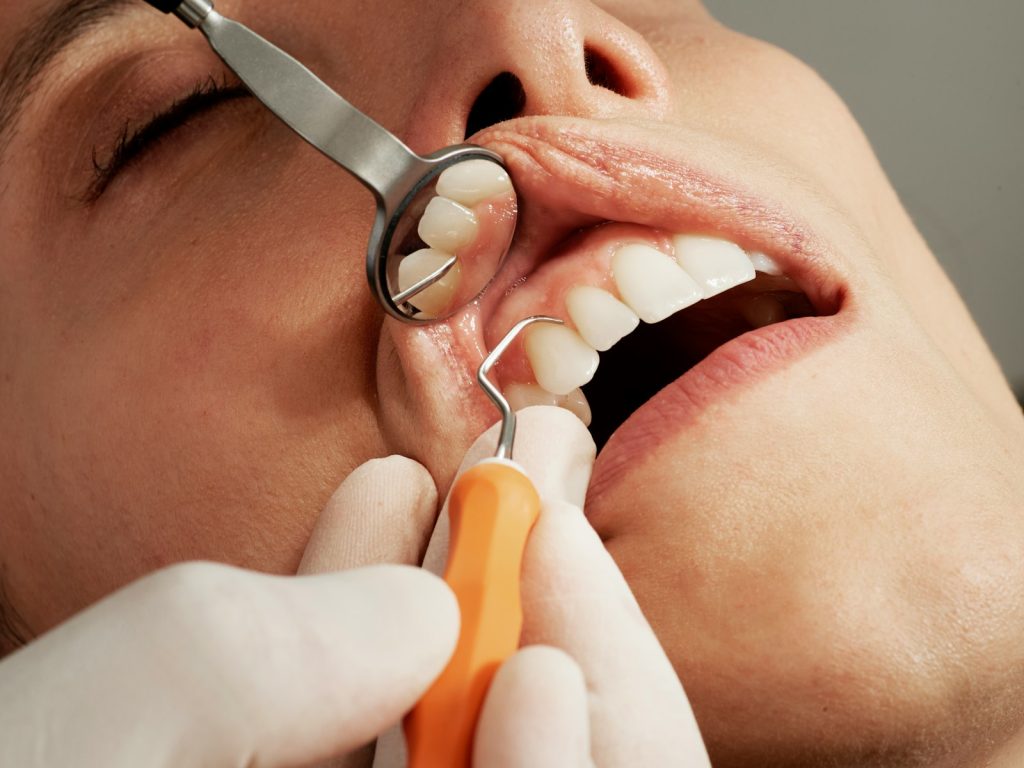
Dentist performing a routine dental check-up on a patient in a modern clinic setting.

Tooth Restoration & Composites

About the Service

Tooth restorations help repair or replace missing teeth, decayed structures, or damaged fillings — restoring function, aesthetics, and long-term oral health. Common reasons for tooth restoration include the following:

  • Tooth decay (cavities)

  • Fractures or cracks

  • Wear from grinding (bruxism)

  • Failed previous restorations

Key Goal: Preserve natural teeth whenever possible through expert Tooth Restoration, while also preventing future dental complications.

Types of Tooth Restorations

Explore the different types of tooth restorations available to restore your smile and enhance your oral health.

TypeBest ForProcedure DetailsLongevity
Composite FillingsSmall to medium cavities (especially front teeth)Tooth-colored resin applied in layers and hardened with UV light.5–10 years
CrownsSeverely damaged/decayed teethCustom “cap” made of porcelain, metal, or zirconia; covers entire tooth. Lab-made or same-day (CEREC).10–15+ years
Dental ImplantsMissing teethTitanium post surgically placed in jawbone, topped with a crown.20+ years
Bridges1–3 missing teethFalse tooth anchored by crowns on adjacent teeth.7–15 years
DenturesMultiple missing teethRemovable acrylic/metal prosthetics (full or partial).5–8 years

Step-by-Step: How the Tooth Restoration Process Works

Every patient is different. That’s why the tooth restoration process is customized depending on whether you need fillings, crowns, or implants.

Step 1: Consultation & Prep
  • We begin with a dental exam and X-rays to assess damage.

  • Numbing gel or local anesthesia applied. 

Step 2: Decay Removal & Cleaning
  • Next, the dentist carefully removes the decayed tissue and sterilizes the area.

Step 3: Restoration Placement
  • Fillings: A resin is layered and cured with UV light.

  • Crowns/Bridges: Impressions are taken and a temporary placed while the lab creates the permanent version.

  • Implants: Surgically placed, followed by a healing time (osseointegration) required before crown attachment.

Step 4: Polishing & Adjustment
  • Finally, the bite is adjusted and excess material is polished for comfort and aesthetics.

woman with silver and yellow hoop earrings

Ideal Candidates for Tooth Restoration Treatment

  • Teens/Adults with Cavities (even small ones).
  • Cracked/Fractured Teeth.
  • Large Old Fillings needing replacement.
  • Missing Teeth (prevents shifting and bone loss).

Success Stories

Read our glowing reviews from satisfied customers!

5/5

They are very gentle and do their best to give the patients the expected results. I am very happy with their office, equipment, kindness and professionalism.

5/5

The staff was friendly and professional, and the treatment left me feeling refreshed and rejuvenated. Thank you for the wonderful service, I'll definitely be visiting again!

5/5

The treatment targeted areas of concern and helped to improve the texture and firmness of my skin, but most importantly, the staff knew what they were doing.

have a question?

Quick answers to questions you may have

Q1: Do composite fillings stain?

A: They resist staining better than natural teeth but may discolor over time with coffee/wine.

Q2: Can I get a crown in one day?

A: Yes, with CEREC same-day technology (no temporary needed).

Q3: Are implants painful?

A: Local anesthesia ensures comfort; mild soreness lasts 2–3 days.

Q4: Why choose composites over amalgam?

A: Mercury-free, aesthetic, and bond better to teeth.

Q5: How to care for restorations?

A: Brush/floss daily, avoid chewing ice/hard candy, and attend regular checkups.

Message Us on WhatsApp