
About the Service
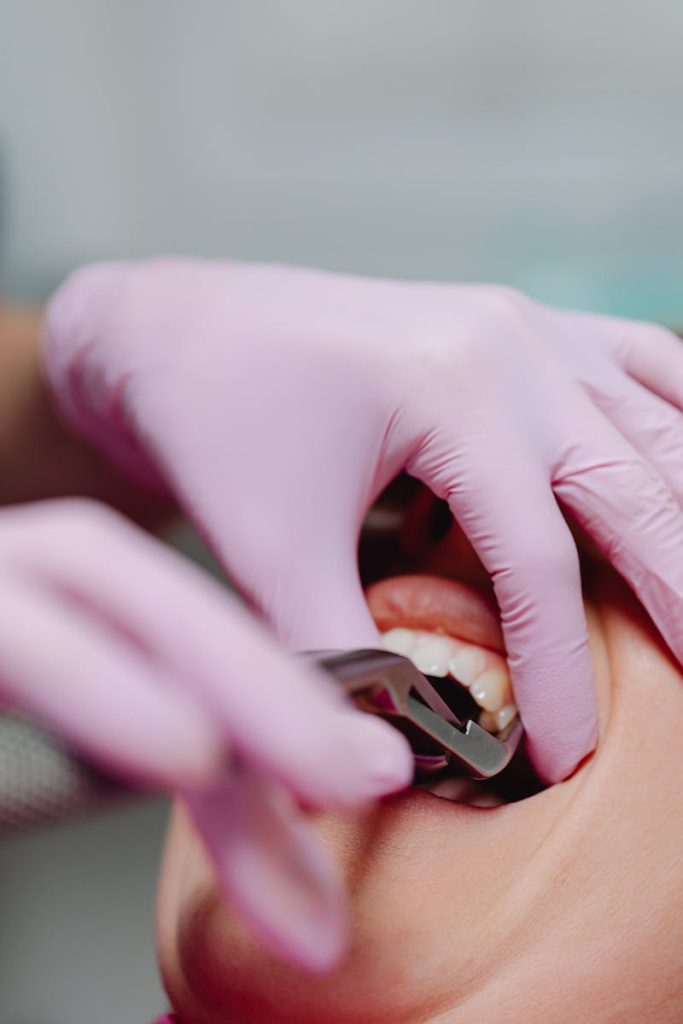
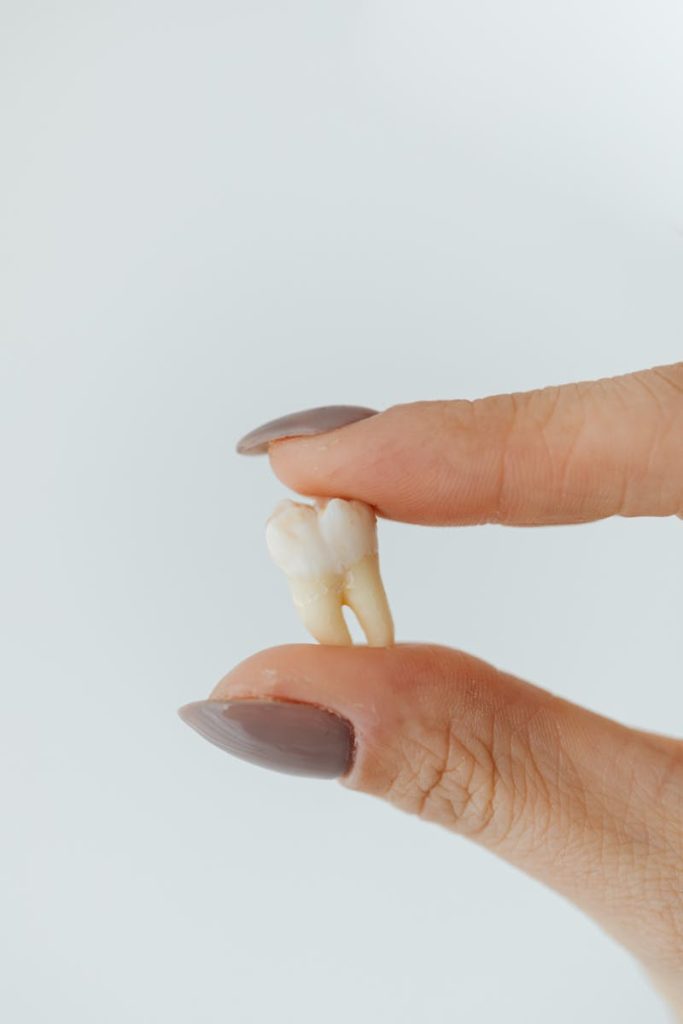
Tooth extraction is the removal of a tooth from its socket in the bone. We offer safe and professional tooth extraction services for damaged, infected, or impacted teeth, ensuring patient comfort and quick recovery. While wisdom teeth removal is common, extractions may also be necessary due to:
Severe decay or infection (unrestorable with a filling/root canal).
Advanced gum disease (loosening teeth).
Crowding (pre-orthodontic treatment).
Impacted teeth (wisdom teeth growing sideways).
Trauma or fractures (broken beyond repair).
Types of Extractions:
Simple Extraction – Visible teeth removed with forceps (under local anesthesia).
Surgical Extraction – Required for broken, impacted, or deeply rooted teeth (may involve stitches).
How Tooth Extraction Works
Step 1: Consultation & Examination
Diagnostic Imaging: X-rays are taken to assess the tooth’s position, roots, and surrounding bone.
Medical Review: Your dentist checks your health history (e.g., medications, allergies) to ensure safety.
Anesthesia Plan: Local anesthesia (numbing gel + injection) is standard. Sedation (oral/IV) is available for anxious patients.
Step 2: Numbing & Tooth Loosening
Anesthesia Applied: The gum around the tooth is numbed (you’ll feel pressure but no pain).
Tooth Loosened: For simple extractions, the dentist gently rocks the tooth with an elevator tool. For surgical extractions (impacted teeth), a small incision may be made to access the tooth.
Step 3: Tooth Removal
Extraction: The dentist uses forceps to remove the tooth with controlled movements.
Stitches (if needed): Dissolvable stitches may close the gum (common for wisdom teeth).
Gauze Placement: You’ll bite down on gauze to stop bleeding and form a clot.
Step 4: Aftercare & Healing
Immediate Instructions:
Keep gauze in place for 30–45 mins.
Avoid rinsing/spitting for 24 hours to protect the clot.
Use ice packs to reduce swelling (20 mins on/off).
Long-Term Care:
Eat soft foods (soup, mashed potatoes) for 3–7 days.
Rinse with salt water after 24 hours to prevent infection.
Attend follow-ups if stitches or complications arise.
Ideal Candidates for Tooth Extraction Treatment
- Teens/Adults with Active Acne
- Those with acne scars (icepick, boxcar, or rolling scars)
- Patients with post-surgical or injury scars
- Individuals with hyperpigmentation from past breakouts
- Want to reduce facial wrinkles without surgery
- Don’t exhibit medical contraindications
While most patients see significant improvement, those with extremely deep scars or certain medical conditions (e.g., keloid tendency, pregnancy) require a customized approach. During your consultation, our dermatologists will evaluate your skin’s needs and adjust treatments for optimal safety and results.
Success Stories
Read glowing reviews from our satisfied customers!
They are very gentle and do their best to give the patients the expected results. I am very happy with their office, equipment, kindness and professionalism.

The staff was friendly and professional, and the treatment left me feeling refreshed and rejuvenated. Thank you for the wonderful service, I'll definitely be visiting again!

The treatment targeted areas of concern and helped to improve the texture and firmness of my skin, but most importantly, the staff knew what they were doing.

have a question?
Quick answers to questions you may have
1. Is tooth extraction painful?
Answer: No—the procedure itself is painless because we use local anesthesia (or sedation if needed). You may feel slight pressure, but no sharp pain. After the extraction, mild discomfort is normal and can be managed with prescribed painkillers.
2. How long does recovery take?
Answer:
Initial healing: 3–7 days (swelling & soreness subside).
Complete gum healing: 2–4 weeks.
Bone healing (if applicable): 3–6 months (for implants later).
Tip: Follow soft foods & no smoking for faster recovery.
3. What should I do to avoid dry socket?
Answer:
✔ Avoid smoking, straws, or spitting for 72 hours.
✔ Gently bite on gauze for 30–45 mins post-extraction.
✔ Take prescribed antibiotics if given.
4. When can I eat normally after extraction?
Answer:
First 24 hours: Soft foods (mashed potatoes, yogurt, soup).
Days 2–7: Semi-soft foods (pasta, scrambled eggs).
After 1 week: Gradually return to normal diet (avoid chewing on extraction site).
5. Can I replace the missing tooth?
Answer: Yes! Options include:
✔ Dental implant (most natural, long-lasting).
✔ Bridge (fixed prosthetic, no surgery).
✔ Dentures (removable, cost-effective).
We recommend discussing replacement plans before extraction for optimal results.

