
About the Service
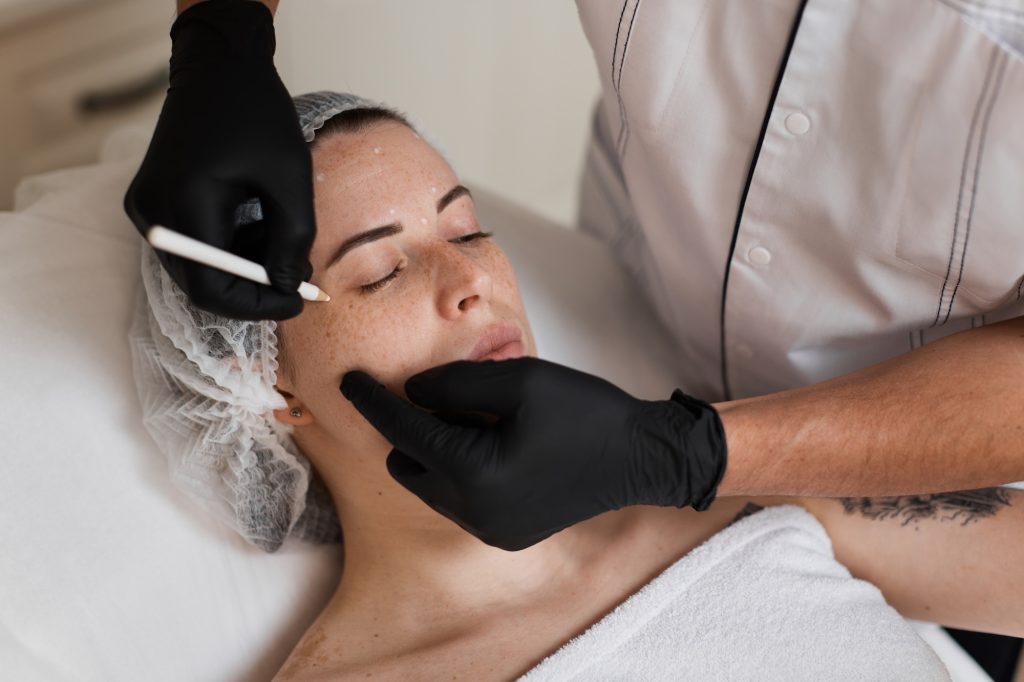
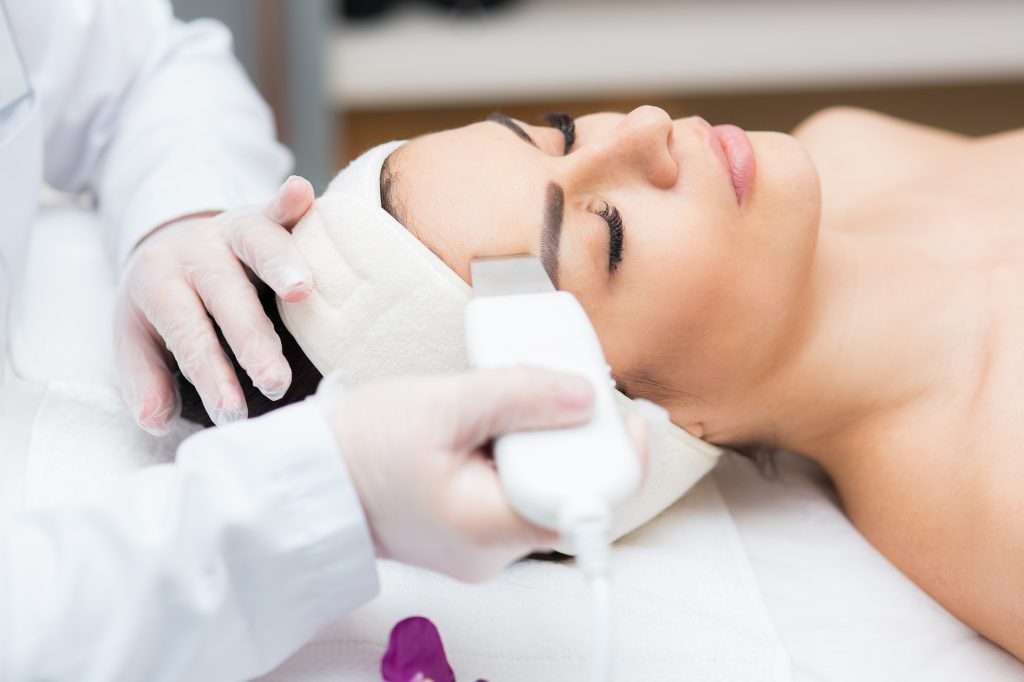
At Elite Style Polyclinic, we offer pigmentation correction treatments that effectively target uneven skin tone, dark spots, melasma, and sun damage using advanced medical-grade technologies. Our dermatologists assess each case individually and customize the pigmentation treatment based on your skin condition—whether it’s due to UV exposure, hormonal changes, or acne scars. We use a combination of laser therapies, chemical peels, and prescription-strength topicals to break down excess melanin and gradually restore a radiant, even complexion. Most importantly, our treatments deliver long-lasting results while preserving your skin’s health and integrity.
How Pigmentation Treatment Works
Step 1: Diagnosis & Skin Analysis
The first step involves identifying the type of pigmentation — whether it’s epidermal or dermal — and its underlying cause, such as sun exposure, hormonal changes, or skin trauma.
In addition, advanced tools like Wood’s lamp or VISIA imaging are used to assess the depth and severity of pigmentation.
Step 2: Personalized Treatment Plan
Based on your diagnosis, a customized treatment plan is created.
Topical agents may include prescription-strength hydroquinone, retinoids, or kojic acid, depending on your skin type and pigmentation level.Furthermore, in-clinic procedures may be recommended for enhanced results:
Q-switched laser – Ideal for breaking down stubborn melanin deposits.
Chemical peels – Offer gentle exfoliation for surface-level pigmentation
Microneedling with brightening serums – Targets deeper melasma and improves absorption
Step 3: Maintenance & Prevention
After treatment, it is essential to maintain your results with proper care.
This includes daily application of SPF 50+, along with a prescribed homecare regimen to prevent recurrence.Moreover, scheduled follow-up sessions are advised for progressive improvement and long-term clarity.
Ideal Candidates for Pigmentation Treatment
Our pigmentation treatment is designed for individuals who want to achieve an even, radiant complexion. It’s particularly effective for:
- Sunspots/age spots – From prolonged UV exposure.
- Melasma/chloasma – Hormonal pigmentation (pregnancy, birth control).
- Post-inflammatory hyperpigmentation (PIH) – Dark marks from acne or injuries.
- Uneven skin tone – Dullness or patchy discoloration.
- All skin types – Safe for darker skin tones (unlike aggressive lasers).
Melasma is chronic but manageable—we focus on control and prevention.
Success Stories
Read our glowing reviews from our satisfied customers
They are very gentle and do their best to give the patients the expected results. I am very happy with their office, equipment, kindness and professionalism.

The staff was friendly and professional, and the treatment left me feeling refreshed and rejuvenated. Thank you for the wonderful service, I'll definitely be visiting again!

The treatment targeted areas of concern and helped to improve the texture and firmness of my skin, but most importantly, the staff knew what they were doing.

have a question?
Quick answers to questions you may have
Q1: How soon will I see results?
A: Generally, topical treatments show improvement within 4–8 weeks. However, laser and chemical peels often provide immediate fading, with continued progress over 3–6 months.
Q2: Is laser safe for dark skin?
A: Absolutely! Our pigmentation treatment uses low-fluence, pigment-specific lasers designed to minimize risks such as burns or worsening pigmentation.
Q3: Can pigmentation return after treatment?
A: Unfortunately, without consistent sun protection and maintenance, pigmentation can return. Therefore, we create personalized, long-term care plans to help prevent recurrence.
Q4: Are there side effects?
A: You may experience mild redness or flaking after chemical peels, and slight swelling following laser pigmentation treatments.
However, these effects are temporary and usually resolve within a day or two.
Most importantly, our procedures are designed to minimize discomfort and require little to no downtime.
Q5: Why choose clinical over OTC products?
A: While over-the-counter creams may offer basic maintenance, they often lack medical-grade ingredients like 4% hydroquinone or retinoic acid.
As a result, they are less effective in treating deep or stubborn pigmentation. In contrast, clinical pigmentation treatments deliver faster, visible, and long-lasting results under professional supervision.

